
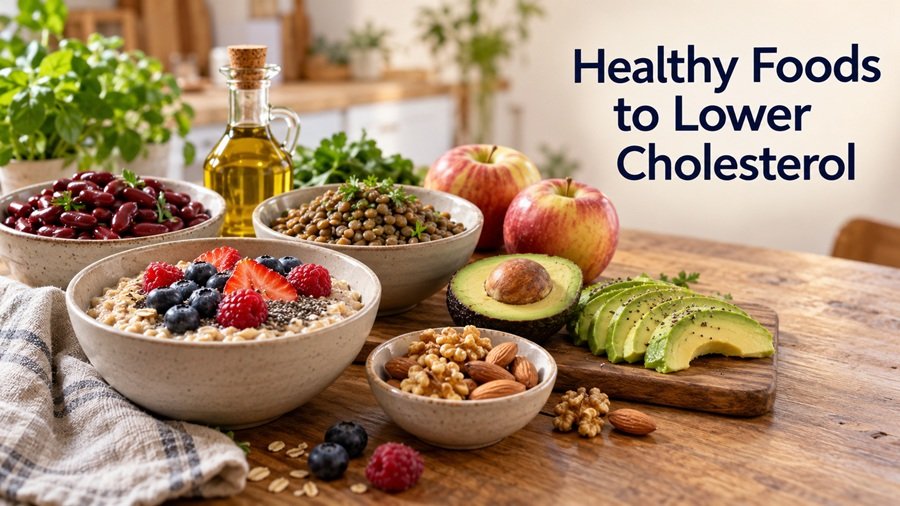
Healthy Foods to Lower Cholesterol: What to. What to Limit
Healthy foods to lower cholesterol can make a big difference when they replace foods high in saturated fat and are part of an overall heart-healthy eating plan. Oats, beans, fruit, vegetables, nuts, fish and unsaturated oils are choices. No one food works like a medicine on its own. Some people also need medicine.
Cholesterol levels are influenced by more than what you eat. Your health history, activity level, weight and other factors are important too. A healthcare professional can help explain your test results and figure out what changes are right for you.
How Food Can Affect Cholesterol
LDL cholesterol is often called “bad” cholesterol because high levels can lead to fatty deposits in arteries. Saturated fat can increase LDL while swapping it for fats may help reduce it. Foods with fiber can also help lower cholesterol by reducing how much cholesterol is absorbed in the digestive system.
Think about your eating habits instead of relying on a so-called “cholesterol-lowering” food. Regularly choosing fiber-rich plant foods and using healthier fats instead of saturated fats is a good place to start.
Best Healthy Foods to Lower Cholesterol
| Food | Why it can help | Ways to eat it |
|---|---|---|
| Oats and barley | Provide soluble fiber | Porridge, soups or grain bowls |
| Beans, peas and lentils | Offer soluble fiber and plant protein | Add to soups, salads or curries |
| Fruit and vegetables | Add fiber and variety | Eat whole fruit; add vegetables to meals |
| Nuts and seeds | Provide unsaturated fats and fiber | Choose a small handful or sprinkle over food |
| Fish | Supplies protein and, in some varieties, omega-3 fats | Bake, grill or steam |
| Olive or canola oil | Provides unsaturated fats | Use in place of butter where suitable |
Choose the foods that are appropriate to your needs, for example if dairy is a problem or you have to restrict certain foods for a medical reason.
Nutritious Soft Food Ideas
Oats and Barley
Oats and barley have soluble fiber. Start the day with oatmeal or add barley to soup to include more fiber. Choose options with added sugar and add fruit for flavor.
Beans, Peas and Lentils
Beans, peas and lentils offer plant protein and fiber. Try adding chickpeas to a salad, lentils to a curry or beans to a soup. If you are not used to eating a lot of high-fiber foods, add them gradually. Drink enough fluids.
Fruits and Vegetables
Apples, pears, citrus fruits, berries and vegetables can add fiber to meals. Choose fruit more often than juice, which generally has less fiber. Fresh, frozen or canned vegetables can all fit into an eating plan; check labels for added salt or sugar when needed.
Nuts, Seeds and Plant Proteins
Nuts and seeds have unsaturated fats while tofu and other soy foods offer plant protein. Use them in place of some foods high in saturated fat—for example, try nuts as a snack instead of pastries or add tofu to a stir-fry.
Plant Sterols and Stanols
Some fortified foods have plant sterols or stanols, which can help reduce the absorption of cholesterol. They are not needed by everyone, and fortified products are different from foods. Ask a healthcare professional if they are right for you before adding them as a cholesterol-lowering strategy.
Choose Healthier Fats
Replacing fats with unsaturated fats is better than just adding oil or nuts on top of your usual meals. The American Heart Association recommends choosing sources of polyunsaturated fats instead of saturated and trans fats.
Use olive, canola, or other unsaturated oils instead of butter when it works for the dish. Fish, nuts, seeds, and avocado can also provide fats. Portion size still matters because oils and nuts are high in calories.
Foods to Limit for Better Cholesterol
You do not have to think of foods as “good” or “bad,” but eating less of some options can help improve your overall pattern:
- Fatty or processed meats
- Butter, cream and some full-fat dairy products
- Foods made with coconut or palm oil
- Deep-fried foods and many packaged baked goods
- Products containing trans fats, where they exist
- Highly processed snacks with a lot of saturated fat
Try smart swaps: choose leaner meat or beans more often, use a small amount of unsaturated oil instead of butter and check nutrition labels for saturated fat. MedlinePlus says that saturated fat is a dietary factor that can increase LDL cholesterol.
Simple Meal Ideas
Small changes can make an eating routine more heart-friendly:
- Breakfast: Oatmeal topped with berries or sliced apple.
- Lunch: Lentil soup with vegetables and whole-grain bread.
- Dinner: Baked fish, rice and cooked vegetables.
- Vegetarian dinner: Bean and vegetable curry with a whole grain.
- Snack: A small handful of unsalted nuts or a piece of whole fruit.
Adjust ingredients to fit your preferences, budget and any medical or cultural dietary needs.
Tips for Building a Cholesterol-Friendly Routine
- Add fiber slowly. Include oats, beans, fruit and vegetables regularly.
- Make changes. Replace some saturated-fat foods with beans, fish, nuts or unsaturated oils.
- Read food labels. Compare saturated fat and added sugar across products.
- Plan meals you enjoy. A realistic routine is easier to keep than a short-term diet.
- Keep up with cholesterol checks. A blood test can show whether your plan is working.
A heart-healthy eating plan is one part of cholesterol management. Physical activity, not smoking and other health changes may also help. Some people need medicine, and diet changes should not be used as a reason to stop treatment.
Frequently Asked Questions
1. What Are the Best Foods to Lower Cholesterol?
Oats, barley, beans, lentils, fruit, vegetables, nuts and unsaturated oils are choices within a balanced eating plan.
2. Do Eggs Raise Cholesterol?
The effect of eggs can vary by person and by the rest of their diet. If you have cholesterol or a specific dietary plan, ask your healthcare professional for advice that fits you.
3. How Quickly Can Food Changes Affect Cholesterol?
There is no time frame that applies to everyone. Your healthcare professional can suggest when to repeat a cholesterol test and review your results.
4. Can Food Replace Cholesterol Medication?
Not for everyone. Some people need medicine along with lifestyle changes. Do not change prescribed medicine without talking to your doctor.
5. Are Supplements a Way to Lower Cholesterol?
Supplements are not a substitute for a diet or prescribed treatment. Ask a healthcare professional before using supplements or fortified products for cholesterol management.
Conclusion
Healthy foods to lower cholesterol include fiber-rich oats, barley, beans, fruit and vegetables, along with nuts, fish and unsaturated oils. Focus on swapping some saturated-fat foods and building habits that you can keep. Check your cholesterol with a healthcare professional, who can help you decide whether diet changes, medicine or both are right for you.